.png)

.png)
.png)
.png)
.jpg)


Obstetrician Services
.png)
Gestational Diabetes Management

women and children hospital

women and child welfare
.png)
IVF and Fertility Clinics
.png)
Natural Birth Centers
.png)
Midwifery Services
Obstetrician Services
Gestational Diabetes Management
women and children hospital
women and child welfare
IVF and Fertility Clinics
Natural Birth Centers
Midwifery Services
Obstetrician Services
Gestational Diabetes Management
women and children hospital
women and child welfare
IVF and Fertility Clinics
Natural Birth Centers
Midwifery Services
.png)
.png)
Prenatal Massage Therapy
.png)
Maternity Facials and Skincare
Relaxation and Meditation Sessions
.png)
Maternity Pedicures and Manicures
.png)
Hydrotherapy for Pregnant Women
Prenatal Massage Therapy
Maternity Facials and Skincare
Relaxation and Meditation Sessions
Maternity Pedicures and Manicures
Hydrotherapy for Pregnant Women
Prenatal Massage Therapy
Maternity Facials and Skincare
Relaxation and Meditation Sessions
Maternity Pedicures and Manicures
Hydrotherapy for Pregnant Women

.png)
Health Insurance
.png)
Financial Planning for Baby
.png)
Life Insurance Planning

Birth Certificate for Newborn Baby
Health Insurance
Financial Planning for Baby
Life Insurance Planning
Birth Certificate for Newborn Baby
Health Insurance
Financial Planning for Baby
Life Insurance Planning
Birth Certificate for Newborn Baby











.png)


.png)

Connecting parents with trusted baby services, from healthcare to baby products.
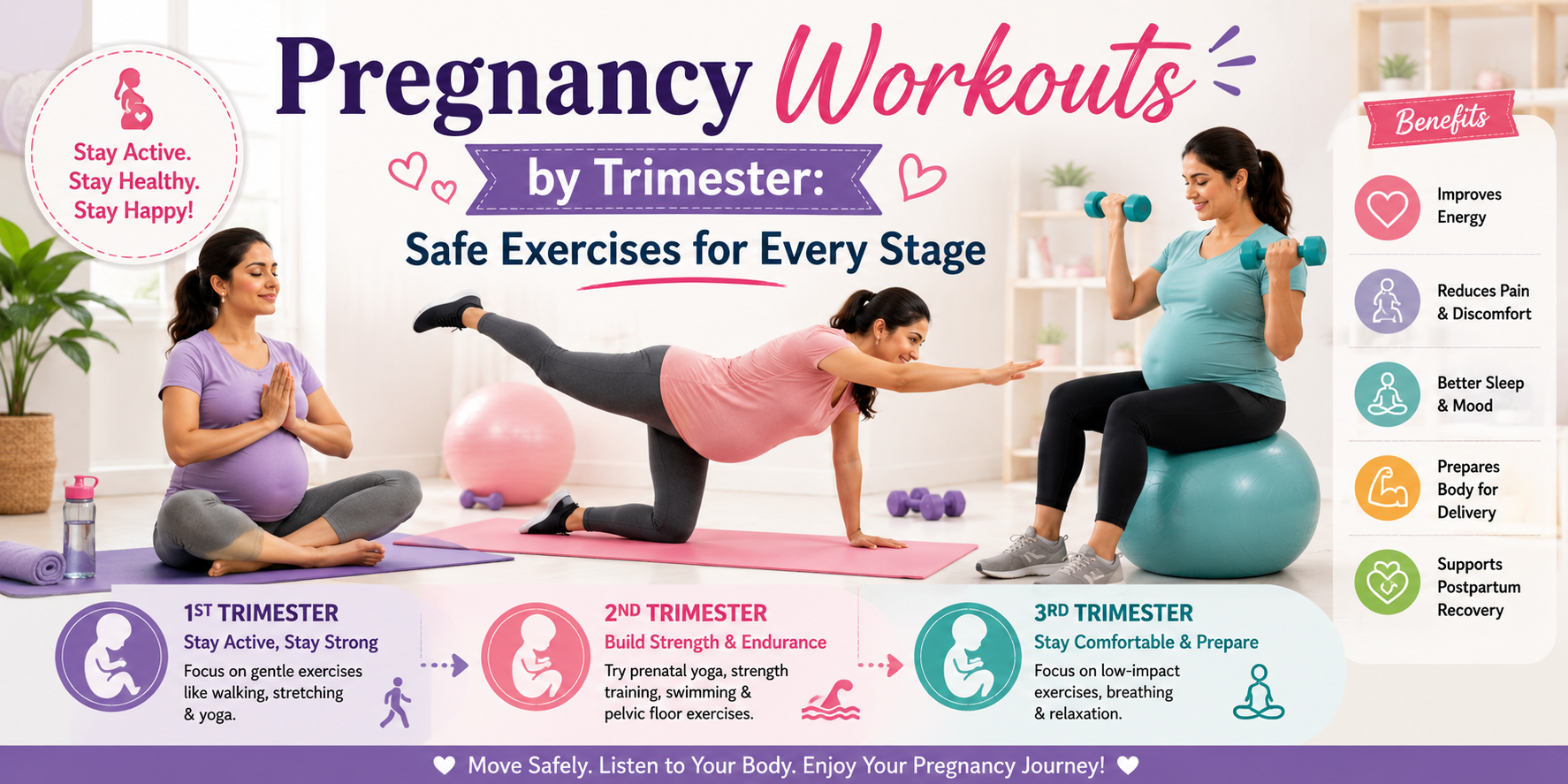
Meta Title: Safe Pregnancy Workouts by Trimester: Exercise Guide for Indian Mothers | FirstChoiceClubMeta Description: Which exercises are safe during pregnancy? Our trimester-by-trimester guide covers prenatal yoga, walking, swimming and pelvic floor exercises for Indian mothers.📢 Affiliate Disclosure: This post contains affiliate links through our Amazon India storefront. We may earn a small commission at no extra cost to you.Exercise during pregnancy is one of the most evidence-backed ways to support your own health and your baby's development. Regular moderate physical activity during an uncomplicated pregnancy reduces the risk of gestational diabetes, excessive weight gain, preeclampsia, back pain, and postpartum depression — and significantly improves sleep quality and energy levels.And yet, many Indian mothers are advised to "rest completely" during pregnancy — sometimes by well-meaning family members, sometimes even by older-school doctors. This guidance is outdated. The Indian Academy of Obstetrics and Gynaecology, the American College of Obstetricians and Gynecologists, and the WHO all recommend at least 150 minutes of moderate physical activity per week throughout an uncomplicated pregnancy.First Trimester (Weeks 1–12): Gentle FoundationsThe first trimester is often the hardest for exercise — not because activity is dangerous, but because exhaustion and nausea make it genuinely difficult. If you can manage only short walks and gentle stretching, that is sufficient and valuable.Safe exercises: Brisk walking, prenatal yoga, swimming, low-impact aerobics, light strength training with body weight or light weights.What to avoid: High-impact contact sports, exercises with fall risk, activities requiring lying flat on your back for extended periods (after week 12), and any activity that leaves you unable to hold a conversation (the "talk test").First trimester tip: Exercise in the morning before nausea peaks. Even 20 minutes of walking is meaningful. Ginger tea before exercise can reduce exercise-induced nausea.🛒 Recommended ProductNon-Slip Prenatal Yoga Mat — Extra ThickA thick, non-slip yoga mat provides the joint cushioning and stability you need as your centre of gravity shifts during pregnancy. Look for 6mm or thicker for comfortable floor exercises.Shop on Amazon India →Second Trimester (Weeks 13–26): The Active WindowThe second trimester is typically the best period for pregnancy exercise. Nausea has usually resolved, energy levels improve, and the bump is not yet large enough to significantly restrict movement. This is the time to build fitness habits that will serve you through the rest of pregnancy.Highly recommended activities:Prenatal yoga: Builds flexibility, pelvic floor strength, and breathing techniques directly useful in labour. Many Indian cities now have dedicated prenatal yoga classes.Swimming: One of the best pregnancy exercises — completely non-impact, supports the weight of your bump, and keeps you cool. Particularly beneficial in India's hot climate.Walking: Accessible, free, and appropriate at all fitness levels. Aim for 30 minutes most days.Pelvic floor exercises (Kegels): Not a workout per se, but essential from trimester one through postpartum recovery.What to avoid from 20 weeks: Exercises lying flat on your back (the growing uterus can compress the vena cava vein), contact sports, hot yoga or any exercise in intense heat, and heavy lifting above your head.🛒 Recommended ProductMaternity Support Belt / Pregnancy Belly BandA maternity support belt reduces the strain on your lower back and pelvis during walking and exercise from the second trimester onwards. Particularly useful if you experience pelvic girdle pain (PGP), which is very common in Indian mothers who spend time on their feet.Shop on Amazon India →Third Trimester (Weeks 27–40): Prepare and PreserveExercise in the third trimester requires modifications but remains beneficial and important. The goals shift: maintain fitness, manage discomfort, prepare your body for labour, and protect sleep quality.Reduce intensity — use the talk test to ensure you're not overexertingWalking remains excellent right up to your due date if comfortablePrenatal yoga classes often shift focus to labour preparation breathing and positionsAvoid lying on your back — use a left-side lying position or elevated propListen aggressively to your body — discomfort and pain are signals to stopIndian-Specific ConsiderationsSeveral cultural exercise questions come up repeatedly among Indian mothers:Is squatting safe in pregnancy? Yes — deep squatting is actually encouraged in late pregnancy as it opens the pelvis and can support optimal fetal positioning. Many midwives and doulas actively recommend squatting practice.Is yoga contraindicated in early pregnancy? No — gentle prenatal yoga is safe from early pregnancy. Avoid hot yoga, deep twists, and inversions (headstands, shoulder stands) throughout pregnancy.Warning Signs to Stop Exercise ImmediatelyVaginal bleeding or fluid leakingDizziness, faintness or shortness of breath at restChest pain or heart palpitationsPainful uterine contractionsSevere abdominal painIf you experience any of these, stop immediately and contact your doctor.Frequently Asked QuestionsIs it safe to exercise in the first trimester in India?Yes, for women with uncomplicated pregnancies. Gentle exercise in the first trimester is safe and beneficial. Always inform your doctor of your exercise plans.Can I do surya namaskar during pregnancy?Modified versions are generally acceptable in the first trimester. From the second trimester, full Surya Namaskar should be avoided and replaced with prenatal yoga sequences designed for pregnancy.Is walking enough exercise during pregnancy?Yes — 30 minutes of brisk walking most days of the week meets the recommended exercise guidelines for pregnancy and provides significant health benefits.Can I start exercising during pregnancy if I was not active before?Yes. Start with 10–15 minute gentle walks and gradually increase. Pregnancy is actually a motivating time to begin regular physical activity for many women.What exercises help with labour preparation?Squats, pelvic rocking, cat-cow yoga pose, and walking all encourage optimal fetal positioning and strengthen the muscles used during labour and pushing.Find certified prenatal yoga classes and maternity fitness centres near you at firstchoiceclub.in.
03 Jun
View Details
Meta Title: Safe Pregnancy Workouts by Trimester: Exercise Guide for Indian Mothers | FirstChoiceClubMeta Description: Which exercises are safe during pregnancy? Our trimester-by-trimester guide covers prenatal yoga, walking, swimming and pelvic floor exercises for Indian mothers.📢 Affiliate Disclosure: This post contains affiliate links through our Amazon India storefront. We may earn a small commission at no extra cost to you.Exercise during pregnancy is one of the most evidence-backed ways to support your own health and your baby's development. Regular moderate physical activity during an uncomplicated pregnancy reduces the risk of gestational diabetes, excessive weight gain, preeclampsia, back pain, and postpartum depression — and significantly improves sleep quality and energy levels.And yet, many Indian mothers are advised to "rest completely" during pregnancy — sometimes by well-meaning family members, sometimes even by older-school doctors. This guidance is outdated. The Indian Academy of Obstetrics and Gynaecology, the American College of Obstetricians and Gynecologists, and the WHO all recommend at least 150 minutes of moderate physical activity per week throughout an uncomplicated pregnancy.First Trimester (Weeks 1–12): Gentle FoundationsThe first trimester is often the hardest for exercise — not because activity is dangerous, but because exhaustion and nausea make it genuinely difficult. If you can manage only short walks and gentle stretching, that is sufficient and valuable.Safe exercises: Brisk walking, prenatal yoga, swimming, low-impact aerobics, light strength training with body weight or light weights.What to avoid: High-impact contact sports, exercises with fall risk, activities requiring lying flat on your back for extended periods (after week 12), and any activity that leaves you unable to hold a conversation (the "talk test").First trimester tip: Exercise in the morning before nausea peaks. Even 20 minutes of walking is meaningful. Ginger tea before exercise can reduce exercise-induced nausea.🛒 Recommended ProductNon-Slip Prenatal Yoga Mat — Extra ThickA thick, non-slip yoga mat provides the joint cushioning and stability you need as your centre of gravity shifts during pregnancy. Look for 6mm or thicker for comfortable floor exercises.Shop on Amazon India →Second Trimester (Weeks 13–26): The Active WindowThe second trimester is typically the best period for pregnancy exercise. Nausea has usually resolved, energy levels improve, and the bump is not yet large enough to significantly restrict movement. This is the time to build fitness habits that will serve you through the rest of pregnancy.Highly recommended activities:Prenatal yoga: Builds flexibility, pelvic floor strength, and breathing techniques directly useful in labour. Many Indian cities now have dedicated prenatal yoga classes.Swimming: One of the best pregnancy exercises — completely non-impact, supports the weight of your bump, and keeps you cool. Particularly beneficial in India's hot climate.Walking: Accessible, free, and appropriate at all fitness levels. Aim for 30 minutes most days.Pelvic floor exercises (Kegels): Not a workout per se, but essential from trimester one through postpartum recovery.What to avoid from 20 weeks: Exercises lying flat on your back (the growing uterus can compress the vena cava vein), contact sports, hot yoga or any exercise in intense heat, and heavy lifting above your head.🛒 Recommended ProductMaternity Support Belt / Pregnancy Belly BandA maternity support belt reduces the strain on your lower back and pelvis during walking and exercise from the second trimester onwards. Particularly useful if you experience pelvic girdle pain (PGP), which is very common in Indian mothers who spend time on their feet.Shop on Amazon India →Third Trimester (Weeks 27–40): Prepare and PreserveExercise in the third trimester requires modifications but remains beneficial and important. The goals shift: maintain fitness, manage discomfort, prepare your body for labour, and protect sleep quality.Reduce intensity — use the talk test to ensure you're not overexertingWalking remains excellent right up to your due date if comfortablePrenatal yoga classes often shift focus to labour preparation breathing and positionsAvoid lying on your back — use a left-side lying position or elevated propListen aggressively to your body — discomfort and pain are signals to stopIndian-Specific ConsiderationsSeveral cultural exercise questions come up repeatedly among Indian mothers:Is squatting safe in pregnancy? Yes — deep squatting is actually encouraged in late pregnancy as it opens the pelvis and can support optimal fetal positioning. Many midwives and doulas actively recommend squatting practice.Is yoga contraindicated in early pregnancy? No — gentle prenatal yoga is safe from early pregnancy. Avoid hot yoga, deep twists, and inversions (headstands, shoulder stands) throughout pregnancy.Warning Signs to Stop Exercise ImmediatelyVaginal bleeding or fluid leakingDizziness, faintness or shortness of breath at restChest pain or heart palpitationsPainful uterine contractionsSevere abdominal painIf you experience any of these, stop immediately and contact your doctor.Frequently Asked QuestionsIs it safe to exercise in the first trimester in India?Yes, for women with uncomplicated pregnancies. Gentle exercise in the first trimester is safe and beneficial. Always inform your doctor of your exercise plans.Can I do surya namaskar during pregnancy?Modified versions are generally acceptable in the first trimester. From the second trimester, full Surya Namaskar should be avoided and replaced with prenatal yoga sequences designed for pregnancy.Is walking enough exercise during pregnancy?Yes — 30 minutes of brisk walking most days of the week meets the recommended exercise guidelines for pregnancy and provides significant health benefits.Can I start exercising during pregnancy if I was not active before?Yes. Start with 10–15 minute gentle walks and gradually increase. Pregnancy is actually a motivating time to begin regular physical activity for many women.What exercises help with labour preparation?Squats, pelvic rocking, cat-cow yoga pose, and walking all encourage optimal fetal positioning and strengthen the muscles used during labour and pushing.Find certified prenatal yoga classes and maternity fitness centres near you at firstchoiceclub.in.
03 Jun
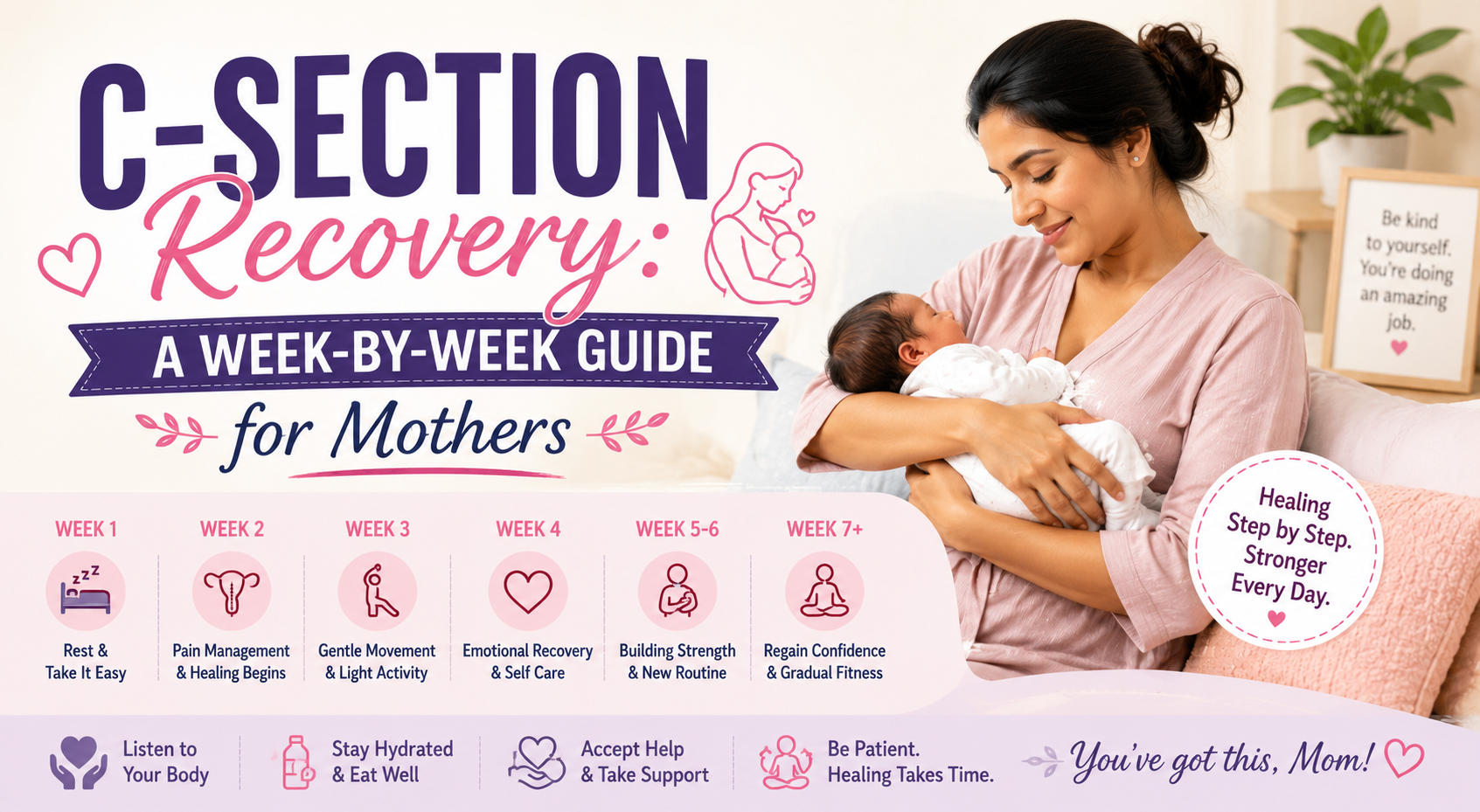
Meta Title: C-Section Recovery Week by Week: Complete Guide for Indian Mothers | FirstChoiceClubMeta Description: Recovering from a caesarean in India? Our week-by-week guide covers wound care, diet, Japa traditions, and when to resume normal activity after a C-section.📢 Affiliate Disclosure: This post contains affiliate links through our Amazon India storefront. We may earn a small commission at no extra cost to you.A caesarean section is major abdominal surgery — and yet many new mothers in India feel pressure to "bounce back" within days, particularly with household expectations and the demands of a newborn. Understanding the true timeline of C-section recovery is one of the most important things you can do for your long-term health and wellbeing.In India, approximately 17% of deliveries nationally (and over 40% in private hospitals in major cities) are caesarean births. If this was your birth experience, this guide is written for you.Week 1: The Hospital and Immediate RecoveryThe first 24–48 hours after a C-section are spent in hospital recovery. You will have a urinary catheter, IV fluids, and pain management medication. Most women begin to sit up and attempt short walks within 12–24 hours of surgery — early mobility is important to prevent blood clots and support healing, even though it is genuinely uncomfortable.Your wound will be covered with a dressing. Do not attempt to look at it until your doctor changes it. Wound pain is normal and manageable with the prescribed medications — do not try to manage without them in the first days. You need to be comfortable enough to breathe deeply and move, which is essential for recovery.Breastfeeding is possible after a C-section and should be started as soon as you and your baby are stable. A nursing pillow placed over the wound area protects the incision from your baby's weight during feeding.🛒 RECOMMENDED PRODUCTC-Section Recovery Belly Binder / Abdominal Support BeltAn abdominal binder worn from around day 3 post-surgery provides gentle compression that reduces pain with movement, supports the wound area, and helps with the feeling of internal instability many C-section mothers experience. Ask your doctor before use.Shop on Amazon India →Week 2: Home Recovery BeginsMost C-section mothers are discharged after 3–5 days. The second week at home is the most challenging — you are in a new environment without hospital support, managing a newborn while significantly limited in what you can do physically.You must not lift anything heavier than your baby for at least 6 weeksClimbing stairs should be minimised and done very slowlyDriving is not permitted for at least 6 weeksYour wound may itch, tighten, and feel numb — all are normalWatch for signs of infection: redness spreading beyond the incision, increased swelling, discharge, fever above 38°C, or wound that opensFamily support during this week is not optional — it is medically essential. This is the traditional period for Japa care in Indian families, and the wisdom of that tradition is well-supported by modern medicine.Weeks 3–4: Gradual ImprovementBy weeks 3 and 4, most women notice a significant improvement in pain levels and mobility. Short walks are encouraged and beneficial. You may begin to feel more like yourself, but the internal healing from major surgery continues long after the surface appears healed.The internal scar tissue takes 6–8 weeks to adequately heal and up to 12 months to fully remodel. This is why restrictions on lifting, sex, and strenuous exercise last 6 weeks minimum.🛒 RECOMMENDED PRODUCTSilicone Scar Sheets for C-SectionSilicone scar sheets, worn over the healed wound from about 6 weeks onwards, are one of the most evidence-supported methods for reducing the appearance of caesarean scars. Consistent daily use over 8–12 weeks produces the best results.Shop on Amazon India →Weeks 5–6: Approaching ClearanceYour 6-week postnatal check-up is a critical appointment. Your doctor will examine the wound, assess your recovery, and advise on resuming activities including exercise, sex, and driving. Do not skip this appointment even if you feel well — internal healing and pelvic floor assessment cannot be done without examination.C-Section Recovery Diet: Indian Foods That HelpNutrition is essential for tissue healing after surgery. Traditional Indian postnatal foods align well with this need:Ghee: Anti-inflammatory, rich in fat-soluble vitamins. Add to dals, khichdi and roti in moderation.Methi (fenugreek): Supports milk production and digestion. Used in ladoos and rotis in North Indian tradition.Ajwain (carom seeds): Supports digestion and reduces post-surgical gas — a significant discomfort after abdominal surgery.Dals and legumes: High-quality protein essential for wound healing.Drumstick leaves (moringa): Exceptionally iron-rich, important after surgical blood loss.Constipation is common after a C-section due to anaesthesia, pain medications, and reduced mobility. Eat fibre-rich foods, stay well hydrated, and do not strain during bowel movements — straining places pressure on the abdominal wound.🛒 RECOMMENDED PRODUCTPostnatal Vitamins for Breastfeeding MothersPostnatal multivitamins formulated for breastfeeding mothers cover the increased nutritional demands of recovery and milk production simultaneously — iron, vitamin D, calcium, and omega-3 are particularly important post-C-section.Shop on Amazon India →When to Call Your Doctor ImmediatelyContact your doctor without delay if you experience: fever above 38°C, wound that opens or has new discharge, heavy vaginal bleeding (soaking more than one pad per hour), severe abdominal pain that is worsening rather than improving, signs of blood clot (leg pain, swelling, shortness of breath), or any gut instinct that something is wrong. Trust yourself — you know your body.Frequently Asked QuestionsHow long does C-section recovery take in India?Most women feel significantly better by 6 weeks, but full internal healing takes 3–6 months. Heavy lifting restrictions apply for a minimum of 6 weeks.Can I sit on the floor after a C-section?Sitting on the floor is very difficult in the first 2–3 weeks and should be avoided. Most Indian homes benefit from a firm chair or bed during this period.When can I start exercising after C-section?Only after your 6-week postnatal clearance and with your doctor's explicit permission. Start with walking, then gentle pelvic floor exercises, then gradually increase intensity over months.Is Japa massage safe after C-section?Abdominal massage is not safe until the wound is fully healed — usually around 6–8 weeks. Traditional Japa body massage on limbs, back and legs is generally safe earlier. Always inform your Japa caregiver of your C-section.Can I get pregnant again after C-section?Yes, but most doctors in India recommend waiting at least 18–24 months before the next pregnancy to allow the uterine scar to heal adequately.Find trusted postnatal care services including Japa care providers near you at firstchoiceclub.in.
27 May

Meta Title: Hospital Bag Checklist India 2026: Complete Packing List for Delivery | FirstChoiceClubMeta Description: Don't forget a thing! Our complete hospital bag checklist for Indian mothers covers everything for mom, baby, and partner — for both government and private hospitals.📢 Affiliate Disclosure: This post contains affiliate links through our Amazon India storefront. We may earn a small commission at no extra cost to you when you purchase through these links.Packing your hospital bag is one of the most exciting — and anxiety-inducing — tasks of late pregnancy. Pack too early and you're using your toiletries from a bag in the corner. Pack too late and you're scrambling at 2am between contractions. The sweet spot is 35–36 weeks, and the trick is knowing exactly what you actually need versus what the internet will make you think you need.This guide is written specifically for Indian mothers — whether you're delivering at a private hospital in Mumbai, a government facility in Tamil Nadu, or a maternity home in any of India's smaller cities. The essentials differ slightly depending on your setting, and we've covered them all.For the Mother: Documents and AdminBefore anything else, gather your paperwork. Hospitals will ask for these repeatedly, and having them in one place saves enormous stress during labour.All antenatal reports, ultrasound scans, and blood test resultsYour doctor's consultation records and referral letter (if applicable)Aadhaar card or government ID for both parentsHealth insurance card and policy documentsPre-registration forms from your hospital (fill these in advance if possible)Emergency contact list written on paper — don't rely on your phone batteryFor the Mother: Clothing and ComfortPrivate hospitals typically provide gowns, but you'll want your own comfortable clothes for post-delivery and recovery. Government hospitals may provide nothing at all — pack accordingly.2–3 front-open or button-down nightgowns (essential for breastfeeding)Comfortable, loose-fitting salwar or pyjamas for recovery daysSupportive, well-fitted nursing bras (at least 2)Disposable maternity underwear — easier to discard than wash during recoveryComfortable slip-on slippers for hospital corridorsA light cardigan or shawl — hospitals are often heavily air-conditioned🛒 RECOMMENDED PRODUCTMaternity Nursing Nightgown — Front OpenA soft, front-open nightgown makes post-delivery skin-to-skin contact and breastfeeding much easier in those critical first hours. Look for cotton fabric that stays breathable in all seasons.Shop on Amazon India →For the Mother: Toiletries and HealthThick maternity pads (at least 2 full packs — bleeding is heavier than a period)Peri bottle for gentle post-delivery washingYour prescribed medications and any supplements your doctor has advisedNipple cream (lanolin-based) for the first days of breastfeedingMild, fragrance-free soap and shampooLip balm — hospitals are dry and labour is dehydratingHair ties and clips — you'll want hair away from your face during labourA reliable digital thermometer for monitoring your temperature post-delivery🛒 RECOMMENDED PRODUCTDisposable Maternity Pads — Heavy FlowPost-delivery bleeding (lochia) is significantly heavier than a normal period for the first few days. Dedicated maternity pads offer the length and absorbency needed for comfort and protection.Shop on Amazon India →For the Baby: Clothing and EssentialsYour newborn will need very little in the hospital, but what they need, they need immediately. Pack at least three complete outfits as newborns are messy from the very first hour.3–4 vests or onesies in newborn and 0–3 month sizes (bring both — you don't know the birth weight yet)2–3 sleepsuits or babygrowsSoft cotton hat (babies lose significant heat through their head)Receiving blankets — 2 thin muslin blankets for swaddlingNappies — at least one pack of newborn sizeBaby wipes, unscented and alcohol-freeA going-home outfit — something easy to put on and seasonally appropriate🛒 RECOMMENDED PRODUCTNewborn Essentials Starter KitA newborn starter kit typically includes vests, a sleepsuit, mittens, booties and a hat — everything your baby needs for the first days bundled in one convenient set.Shop on Amazon India →For the Baby: FeedingIf breastfeeding: a nursing pillow is worth fitting in your bag if space allowsIf formula feeding: pre-measured formula, bottles and sterilised teatsBurp cloths — at least 4, because they get saturated quicklyFor the PartnerLabour can last many hours and your partner will be with you for most or all of it. Pack them a separate small bag:Change of clothesSnacks and a refillable water bottlePhone charger and power bankCash in small denominations (for parking, food, hospital incidentals)A list of people to call/message after the birthWhat to Leave at HomeValuables like expensive jewellery, your laptop, and large amounts of cash have no place in a hospital bag. Leave your full toiletry collection at home too — you need travel-sized versions for a stay that is typically 2–4 days. Baby toys and books are not needed in hospital — save the nursery unpacking for home.Government Hospital vs Private Hospital: Key DifferencesAt a government hospital, pack more comprehensively — many facilities expect families to provide basic supplies including towels, cotton, and sometimes even surgical tape. At a private hospital, many items are provided but you'll still want your own comfort clothing and toiletries. Confirm your hospital's policy at your 36-week check-up.Frequently Asked QuestionsWhen should I pack my hospital bag in India?Pack your bag by 35–36 weeks of pregnancy. If you are carrying twins or have a high-risk pregnancy, have it ready by 32–33 weeks.How many maternity pads do I need for the hospital?Pack at least 2 full packets of thick maternity pads. Post-delivery bleeding is heavier than most women expect, particularly in the first 24–48 hours.Do Indian government hospitals provide baby clothes?No. Government hospitals typically provide a delivery gown for the mother but expect families to bring all clothing, nappies and feeding supplies for the baby.What size clothes should I pack for my newborn?Pack both newborn and 0–3 month sizes. Many Indian babies are born above 3kg and skip newborn sizing entirely.Can my husband stay in the hospital with me in India?It depends on the hospital. Most private hospitals allow a partner to stay. Government hospitals often have restricted visitor policies, particularly in labour wards.For trusted obstetricians and maternity hospitals in your city, visit firstchoiceclub.in— India's most comprehensive directory for pregnancy and newborn services.
26 May
Connecting parents with trusted baby services, from healthcare to baby products.

Use the search bar to find local providers.
View detailed listings with ratings, reviews, & contact info

Direct links to service providers or booking options.

Help other parents by leaving feedback on the service.
Trusted by thousands of parents. Here's what they have to say.
Reach new customers and grow your business by joining FirstChoiceClub.
Get Your Business Listed Today

.png)
.png)
.png)
 (1).png)
.png)

.png)
.png)
 (1).png)
 (1).png)
.png)


.png)
.png)
.png)
.png)
.png)
.png)
 (1).png)

.png)
.png)
.png)
.png)
.png)
.png)
 (1).png)
.png)
.png)

.png)
.png)
.png)