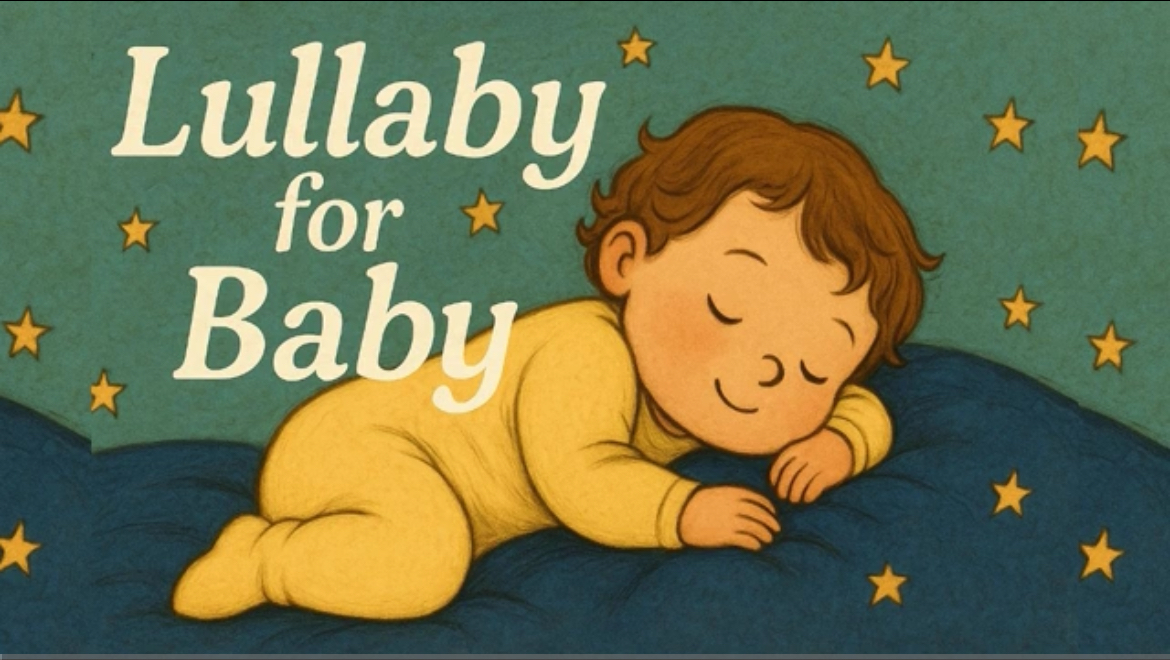
Lullabies for Babies: Why They Matter and How to Use Them
There is something remarkable about a parent's voice singing softly in the dark. Long before your baby understands a single word, the rhythm and melody of a lullaby communicates something profound: you are safe, you are loved, and it is time to rest. Lullabies have been used by parents across every culture for thousands of years — and modern research confirms that this ancient practice is genuinely good for your baby's brain, body and emotional development.
This guide explains why lullabies work, what benefits they offer your newborn and growing baby, and practical tips for making music a natural part of your daily routine.
Why Lullabies Help Babies Sleep
Babies are born into a world of overwhelming sensory input. Every sound, light, and sensation is new and unfiltered. Falling asleep requires a baby's nervous system to shift from alert to calm — and this transition is genuinely difficult for many infants, especially in the early weeks.
A lullaby works because of several overlapping mechanisms. First, the steady, repetitive rhythm mimics the heartbeat your baby heard for nine months inside the womb. This rhythm is instantly familiar and physically calming. Second, the low, consistent volume and tone of a singing voice signals safety — there is no threat, nothing to react to. Third, the predictability of a repeated song becomes a sleep cue over time. Once your baby associates a particular lullaby with the process of falling asleep, hearing it triggers a learned relaxation response.
A study published in the journal Pediatrics found that premature babies who were exposed to live lullaby music showed significantly better heart rate stability, improved feeding, and shorter hospital stays compared to babies who received standard care without music. This is some of the strongest evidence we have that lullabies are not simply pleasant — they are therapeutic.
The Science Behind Music and Baby Brain Development
The first three years of life are the most rapid period of brain development a human being ever experiences. During this window, the brain forms more than one million new neural connections every single second. Music plays a specific role in this process.
When a baby hears music, multiple areas of the brain activate simultaneously — the auditory cortex processes the sound, the motor cortex responds to rhythm, and the limbic system (the emotional centre) responds to melody and tone. This simultaneous activation strengthens neural pathways across multiple regions, which is why children who are exposed to music early often show advantages in language development, mathematical reasoning, and emotional regulation.
Singing specifically, rather than simply playing recorded music, has an additional benefit. Your baby learns to recognise the unique qualities of your voice — its pitch, timbre, rhythm and expressiveness. This recognition forms part of the attachment bond between you and your child. In short, singing to your baby is not just soothing them to sleep. It is one of the foundational acts of building your relationship with them.
Traditional Indian Lullabies Worth Knowing
India has one of the richest lullaby traditions in the world, with beautiful songs in dozens of regional languages that have been passed down through generations of mothers and grandmothers.
Aao Nindiya Aao is one of the most widely known Hindi lullabies, its gentle melody and imagery of sleep as a welcome visitor making it instantly calming for babies and familiar to parents across generations. In Tamil Nadu, Thalattu songs like Thaye Yasodha have a distinctive rocking rhythm perfectly suited to the motion of gently swaying a baby. Telugu lullabies like Jo Achutananda, with their longer melodic lines, are especially beautiful and are still sung by grandmothers to newborns across Andhra Pradesh and Telangana.
If you do not know the words to any traditional lullaby, that is completely fine. Humming the melody alone is equally effective. Your baby responds to the rhythm and the quality of your voice, not to whether the words are perfectly remembered.
How to Build a Lullaby Routine
The most effective way to use lullabies is as part of a consistent bedtime or nap routine. Routines are powerful tools for infant sleep because babies and young children feel most secure when life is predictable. A simple routine of bath, feed, lullaby, and sleep can help even a difficult sleeper begin to settle more easily within a few weeks of consistent practice.
Choose one or two songs that you enjoy singing. This matters — if you find the song tedious, your baby will sense tension in your voice. The most effective lullaby is the one you can sing genuinely and warmly.
Dim the lights before you begin singing. Light is one of the most powerful signals to the brain that it is time to be alert. Darkness signals the release of melatonin, the sleep hormone. Combining low light with a familiar melody sends a consistent message to your baby's brain that sleep is coming.
Hold your baby close or place them in their sleep space before you begin. The physical closeness, warmth, and familiar smell of your body combined with the sound of your voice creates multiple overlapping comfort signals.
Lullabies During Fussy Periods
Lullabies are not only for bedtime. Many parents find that singing during fussy spells — especially in the late afternoon and evening when colic and cluster feeding are most common — provides significant comfort. The key during these moments is to keep your voice steady and calm even if you are feeling stressed. Babies are acutely sensitive to tension in a caregiver's voice. Taking one slow breath before you begin singing can help you regulate your own state, which in turn helps your baby regulate theirs.
White noise machines and recorded lullabies can supplement your singing but should not replace it entirely in the early months. The live, responsive quality of a parent singing — slowing down when the baby stirs, getting softer as they relax — is something a recording cannot replicate.
A Note for New Parents
You do not need to have a good singing voice to sing to your baby. Your baby does not care about pitch or technique. They care about the warmth in your voice, the steadiness of your rhythm, and the fact that it is you. Some of the most effective lullaby singers in the world are parents who quietly sing slightly off-key in the dark while rocking a restless newborn at three in the morning. That is what the research calls music therapy, and what parents call love.
16 Oct